
How India Became the Largest Banana Exporter
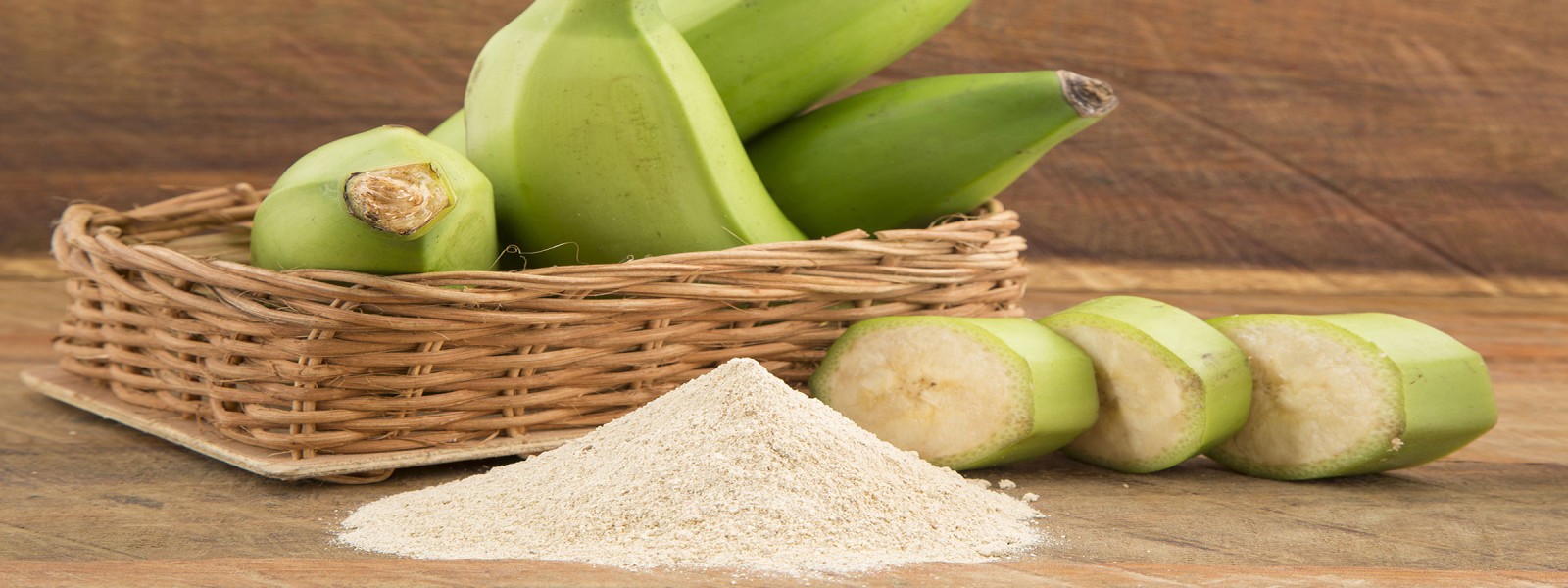
Bananas are one of the most widely consumed fruits in the world, known for their nutrition, affordability, and year-round availability. Over the past decade, India has emerged as a global leader in banana production and exports. But how did India achieve this position? Let’s explore the journey.
1. Strong Agricultural Foundation
India has always been an agricultural powerhouse, with favorable climatic conditions for banana cultivation. The tropical and subtropical climate, along with fertile soil, makes regions like Maharashtra, Tamil Nadu, Gujarat, Andhra Pradesh, and Karnataka ideal for growing bananas.
Unlike many countries that rely on seasonal production, India benefits from year-round cultivation, ensuring consistent supply.
2. High Production Volume
India is the largest producer of bananas in the world, contributing nearly 25–30% of global production. This massive output naturally created opportunities for export growth.
With such a high volume, India not only meets domestic demand but also has surplus production available for international markets.
3. Adoption of Modern Farming Techniques
Indian farmers have increasingly adopted advanced agricultural practices such as:
-
Tissue culture farming
-
Drip irrigation systems
-
Use of organic and bio-fertilizers
-
Scientific crop management
These methods have significantly improved yield, quality, and uniformity—key factors for export markets.
4. Government Support and Policies
The Indian government has played a crucial role in boosting banana exports through:
-
Export promotion schemes
-
Financial assistance for farmers
-
Infrastructure development (cold storage, packhouses)
-
Support from APEDA (Agricultural and Processed Food Products Export Development Authority)
These initiatives helped farmers and exporters meet international standards.
5. Improved Supply Chain and Logistics
Earlier, lack of proper logistics was a major challenge. Today, India has developed:
-
Cold chain infrastructure
-
Reefer transportation
-
Modern packaging facilities
This ensures that bananas reach global markets fresh and in excellent condition, even after long-distance shipping.
6. Focus on Quality and Standards
Export markets demand strict quality standards. Indian exporters have adapted by:
-
Following global certifications (like GlobalG.A.P.)
-
Improving grading and sorting processes
-
Using better packaging techniques
This focus on quality has helped Indian bananas gain trust in international markets.
7. Expanding Global Markets
India has successfully expanded its banana exports to countries such as:
-
United Arab Emirates
-
Saudi Arabia
-
Iran
-
Nepal
-
Oman
-
European markets
Strategic trade relations and competitive pricing have made Indian bananas attractive worldwide.
8. Competitive Pricing Advantage
One of India’s biggest strengths is cost-effective production. Lower labor costs and efficient farming practices allow Indian bananas to be priced competitively in the global market, giving them an edge over other exporting countries.
9. Rise of Export-Oriented Farmers and Companies
Many Indian farmers and agribusiness companies have shifted focus toward export-oriented production. They now grow banana varieties specifically suited for international markets, such as Cavendish bananas.
This shift has significantly boosted export volumes.
Conclusion
India’s rise as the largest banana exporter is the result of a perfect combination of natural advantages, modern farming practices, government support, and strong global demand.
From small farms to international markets, the journey reflects how strategic improvements in agriculture and supply chains can transform a country into a global leader.
As India continues to invest in technology, quality, and infrastructure, its position in the global banana trade is only expected to grow stronger in the coming years.